 COOL
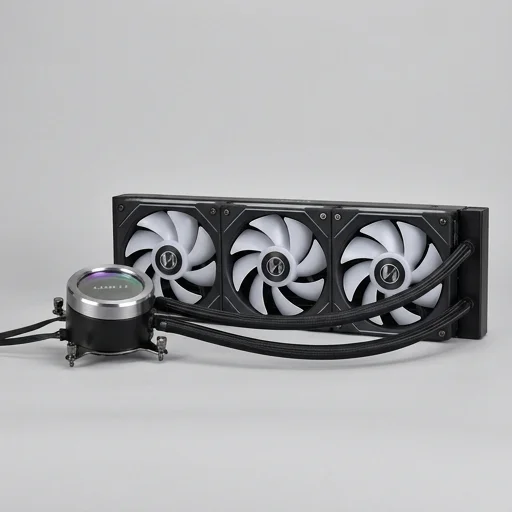
COOLLian Li Galahad II Trinity 360
- 360mm radiator cooling
- Customizable LCD display
- Infinity mirror ARGB
The Lian Li Galahad II Trinity is a strong contender in the premium AIO cooler segment, combining capable thermal performance with a standout customizable LCD display and tasteful ARGB integration.
- Radiator Size360mm
- Fan Speed500-2100 RPM
- Pump Speed2800 RPM ±10%
As an Amazon Associate we earn from qualifying purchases.
// Datasheet
Technical specifications
| Radiator Size | 360mm |
|---|---|
| Fan Speed | 500-2100 RPM |
| Pump Speed | 2800 RPM ±10% |
| Socket Compatibility | LGA1700/1200, AM5/AM4 |
| Display | 2.1-inch LCD, 480x480 resolution |
// Verdict
Our take
The Lian Li Galahad II Trinity is a strong contender in the premium AIO cooler segment, combining capable thermal performance with a standout customizable LCD display and tasteful ARGB integration. While the companion software leaves room for improvement and the pump block's size demands case/RAM clearance checks, the overall package delivers both functional cooling and striking aesthetics for builders wanting a centerpiece cooler.
// Trade-offs
Pros and cons
+What we like
- Excellent thermal performance under sustained loads
- Vibrant customizable LCD screen for temps or custom images
- Clean daisy-chain design reduces cable clutter
- Strong RGB synchronization across pump and fans
- Sturdy build quality with reinforced tubing
−Watch out for
- Software can be buggy or slow to launch
- Pump hub is bulky, may interfere with tall RAM
- Price premium compared to competitors
- Fan noise noticeable at full speed under heavy load
// Feature set
Key features
- 01360mm radiator with triple 120mm Lian Li fans
- 02Customizable LCD pump cap display
- 03Infinity mirror ARGB lighting on pump and fans
- 04Daisy-chain fan connectors for clean cabling
- 05Compatible with Intel LGA1700/1200 and AMD AM5/AM4 sockets
- 06L-Connect 3 software for lighting and screen customization
// Long read
Full review
The Lian Li Galahad II Trinity is a liquid CPU cooler built for enthusiasts who want both serious thermal performance and striking visual presence in their builds. It features a redesigned pump-block assembly with a vivid infinity-mirror ARGB display on top, offering crisp lighting effects that can be synced through Lian Li's L-Connect 3 software or major motherboard ecosystems like ASUS Aura Sync, MSI Mystic Light, and Gigabyte RGB Fusion. The block houses a refined ceramic bearing pump design intended for quieter operation and extended longevity, while improved microchannel cold plate architecture helps pull heat away from modern high-wattage CPUs more efficiently than earlier Galahad generations.
Cooling performance is handled by Lian Li's updated TL fans, which come included in Trinity trim and feature a fully connectorized, daisy-chainable design that drastically cuts down on cable clutter—a long-standing pain point in high-end liquid cooling installs. These fans use a fluid dynamic bearing for reduced noise and vibration, and their anti-vortex vanes are tuned to maximize static pressure through the radiator’s fin array. The radiator itself is available in 240mm, 280mm, and 360mm sizes, giving builders flexibility depending on case compatibility and desired thermal headroom, and its construction maintains Lian Li's typical standard of durable, leak-resistant tubing paired with secure fittings for long-term reliability.
Aimed squarely at the custom PC building and high-performance gaming market, the Galahad II Trinity emphasizes a clean aesthetic alongside functional upgrades, making it a strong choice for users building show-piece rigs with tempered glass panels or windowed cases. Its combination of infinity-mirror RGB branding, daisy-chain fan wiring, and capable VRM/CPU thermal management make it a favorite for both first-time liquid cooling adopters and veteran builders looking to simplify their cable routing without sacrificing lighting customization. Overall, it represents Lian Li’s continued push to merge performance-oriented engineering with the visual flair that modern PC component buyers increasingly expect.
// Alternatives
More cpu coolers to compare
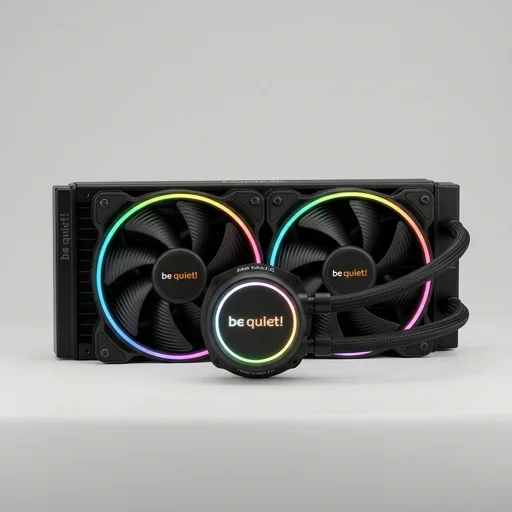 COOLbe quiet! Pure Loop 2 FXNear-silent operation4.3
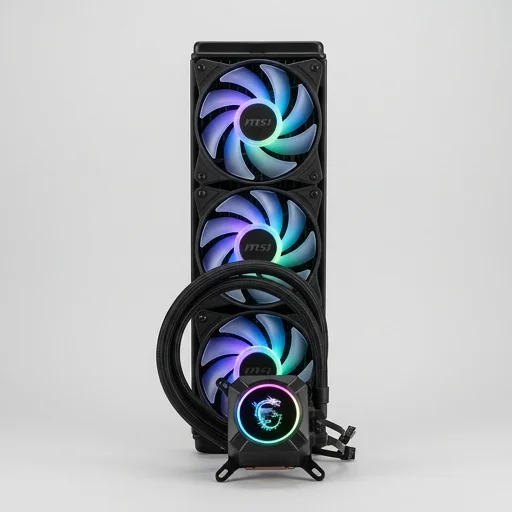 COOLMSI MAG CoreLiquid 360RStrong 360mm cooling power4.3
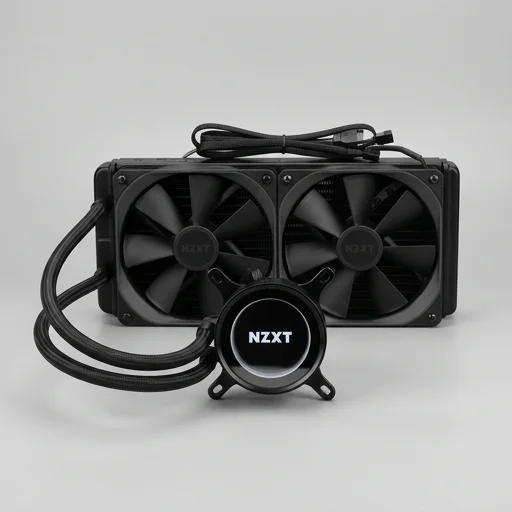 COOLNZXT Kraken X63Infinity Mirror RGB design4.4
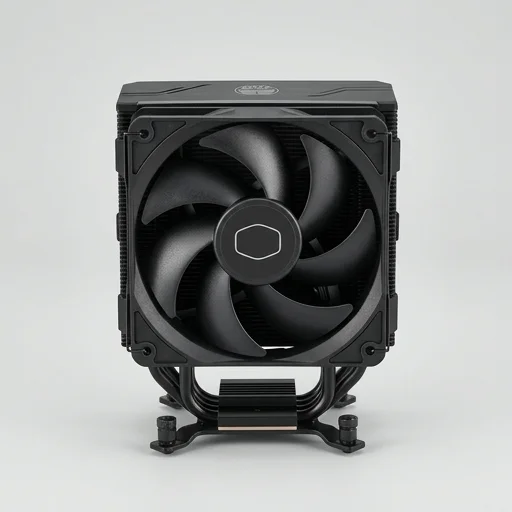 COOLCooler Master Hyper 212 Black EditionReliable budget cooling4.4
// Complete the build