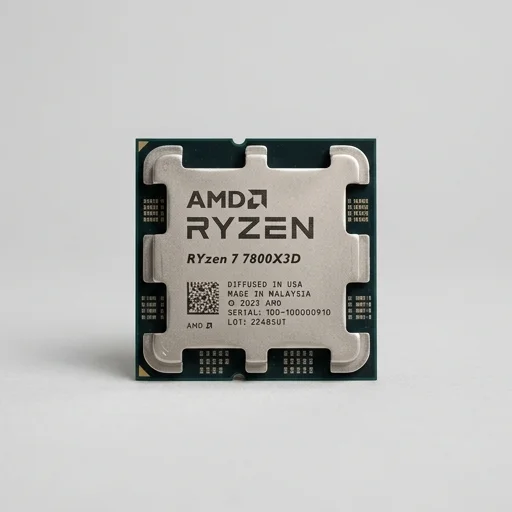
 CPU
CPUAMD Ryzen 7 7800X3D
- Elite 1080p gaming
- 96MB 3D V-Cache
- Efficient AM5 performance
The Ryzen 7 7800X3D is widely regarded as the go-to CPU for gamers who want the absolute best frame rates without paying for extra cores they won't use.
- Cores/Threads8 Cores / 16 Threads
- Base/Boost Clock4.2GHz / 5.0GHz
- L3 Cache96MB
As an Amazon Associate we earn from qualifying purchases.
// Datasheet
Technical specifications
| Cores/Threads | 8 Cores / 16 Threads |
|---|---|
| Base/Boost Clock | 4.2GHz / 5.0GHz |
| L3 Cache | 96MB |
| TDP | 120W |
| Socket | AM5 |
// Verdict
Our take
The Ryzen 7 7800X3D is widely regarded as the go-to CPU for gamers who want the absolute best frame rates without paying for extra cores they won't use. Its massive 3D V-Cache delivers a noticeable edge in CPU-bound and competitive titles, while power efficiency keeps thermals in check. It's not the ideal pick for heavy multi-threaded workloads, but for a dedicated gaming or hybrid gaming/streaming build, it remains one of the best values in the AM5 ecosystem.
// Trade-offs
Pros and cons
+What we like
- Best-in-class gaming performance at launch
- Lower power consumption than non-3D X3D siblings
- Massive L3 cache boosts frame rates in CPU-bound titles
- Runs cooler than 7950X3D in many gaming workloads
- Great value for pure gaming-focused builds
- Compatible with AM5 platform longevity (DDR5, PCIe 5.0)
−Watch out for
- Core clock multiplier is locked, limiting traditional overclocking
- Not the strongest choice for heavy multi-threaded productivity tasks
- Requires AM5 motherboard, often pricier than AM4 boards
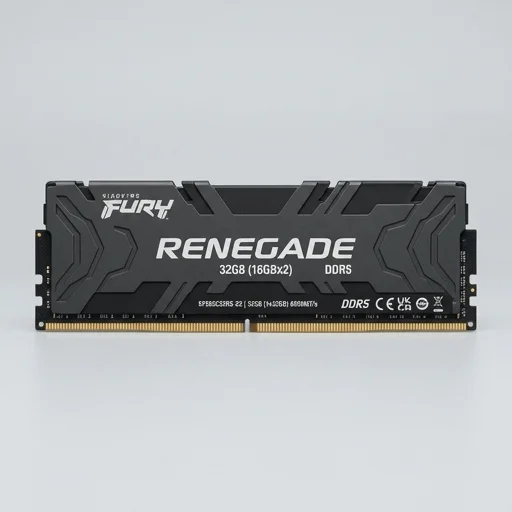
- Best performance needs fast DDR5 memory, adding to build cost
- Single CCD design caps max core count at 8
// Feature set
Key features
- 018 cores / 16 threads Zen 4 architecture
- 02AMD 3D V-Cache technology (96MB L3 cache)
- 034.2GHz base clock / 5.0GHz boost clock
- 04AM5 socket platform support
- 05120W TDP with included thermal solution guidance
- 06Unlocked for memory overclocking (core multiplier locked)
// Long read
Full review
The AMD Ryzen 7 7800X3D stands as one of the most compelling processors ever released for PC gaming enthusiasts, built on AMD's Zen 4 architecture and manufactured using a 5nm process node. This 8-core, 16-thread CPU operates on the AM5 socket and features AMD's groundbreaking 3D V-Cache technology, which stacks an additional 64MB of L3 cache directly onto the processor die. Combined with the base 32MB of L3 cache, this gives the chip a massive 96MB total cache pool, dramatically reducing memory latency and keeping frequently accessed game data closer to the cores. With a base clock of 4.2GHz and boost clock up to 5.0GHz, the 7800X3D delivers the kind of real-world gaming performance that has made it a favorite among PC builders seeking the best frames-per-second in modern titles.
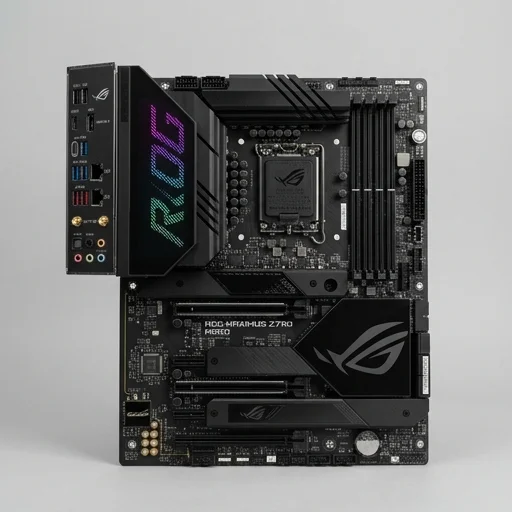
What truly sets this processor apart in the custom PC building world is how it translates that massive cache into tangible gaming advantages. Many competitive and AAA titles see substantial framerate gains compared to processors with higher clock speeds but less cache, because games often benefit more from quick access to cached data than from raw frequency alone. The 7800X3D operates within a modest 120W TDP, making it relatively easy to cool with a quality air cooler or an entry-level AIO liquid cooler, which simplifies build planning for PC enthusiasts who don't want to invest in extreme cooling solutions. It pairs naturally with DDR5 memory and works across the AM5 platform's motherboard lineup, from budget B650 boards to premium X670E options, giving builders flexibility in designing systems around various budgets and feature sets.
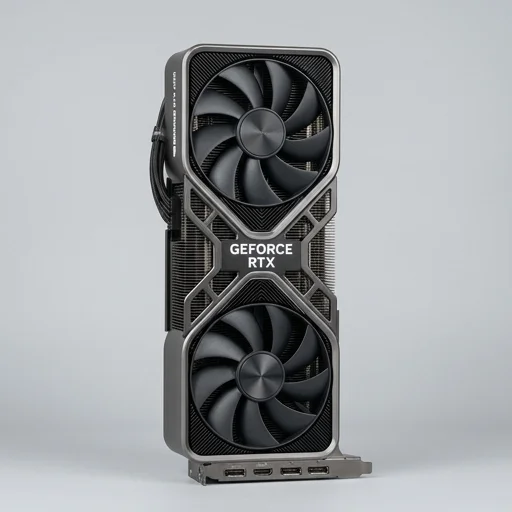
For anyone assembling a dedicated gaming rig or a hybrid workstation-gaming build, the Ryzen 7 7800X3D represents a focused, efficient choice that doesn't try to be everything to everyone. It sacrifices some multi-threaded productivity performance that you'd find in AMD's higher-core-count X3D variants, instead concentrating its silicon budget on maximizing single-threaded and gaming-centric throughput. This makes it an ideal centerpiece for builds paired with high-end graphics cards like the RTX 4080 or RTX 4090, where the CPU needs to keep pace with powerful GPUs without creating bottlenecks at high refresh rates. Its compatibility with existing AM5 coolers, reasonable power draw, and straightforward installation process make it a dependable foundation for both first-time builders and veteran PC enthusiasts looking to maximize gaming performance per dollar spent.
// Alternatives
More processors to compare
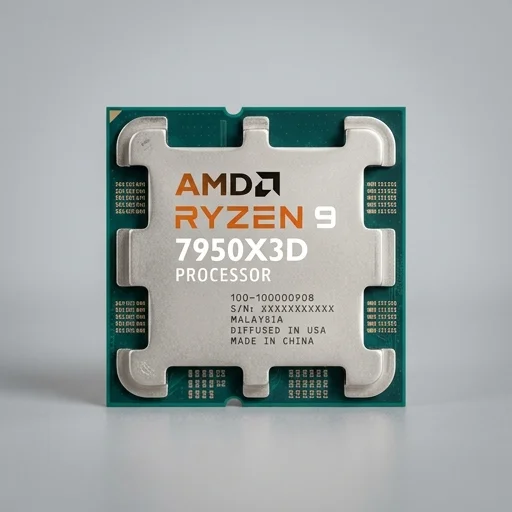 CPUAMD Ryzen 9 7950X3DElite Gaming Performance4.7
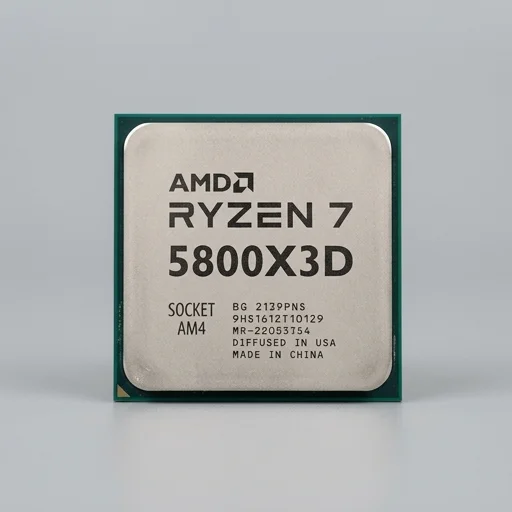 CPUAMD Ryzen 7 5800X3DMassive gaming cache boost4.7
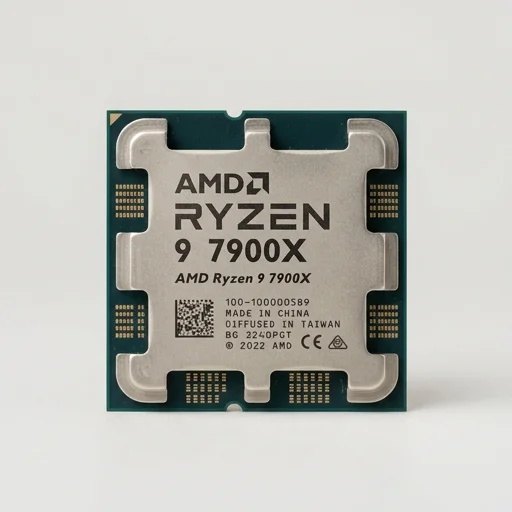 CPUAMD Ryzen 9 7900X12-core beast performance4.6
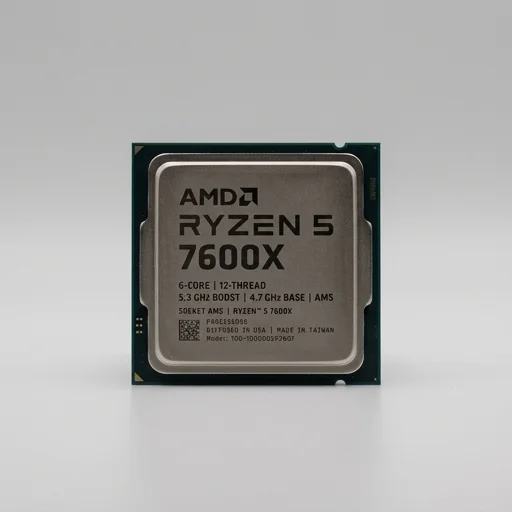 CPUAMD Ryzen 5 7600XTop-tier gaming performance4.6
// Complete the build